Germany’s hydrogen market is beginning to move from infrastructure planning towards tangible commercial commitments, with new capacity reservations providing an early indication of where demand for the country’s future hydrogen network is emerging.
Operators of the German hydrogen network launched their coordinated capacity reservation process in March, allowing producers, consumers and other market participants to secure future entry and exit capacity. The latest market information shows that paid reservations across the network had reached just under 6 GW of entry and exit capacity by 23 July 2026.
Demand has been strong enough in several areas to exceed the capacity initially offered. Network operators have consequently applied an “excess demand” process involving optimisation within individual zones, reallocation between clusters and, where necessary, consideration of additional physical infrastructure. All cases assessed through this process have so far resulted in reservation offers.
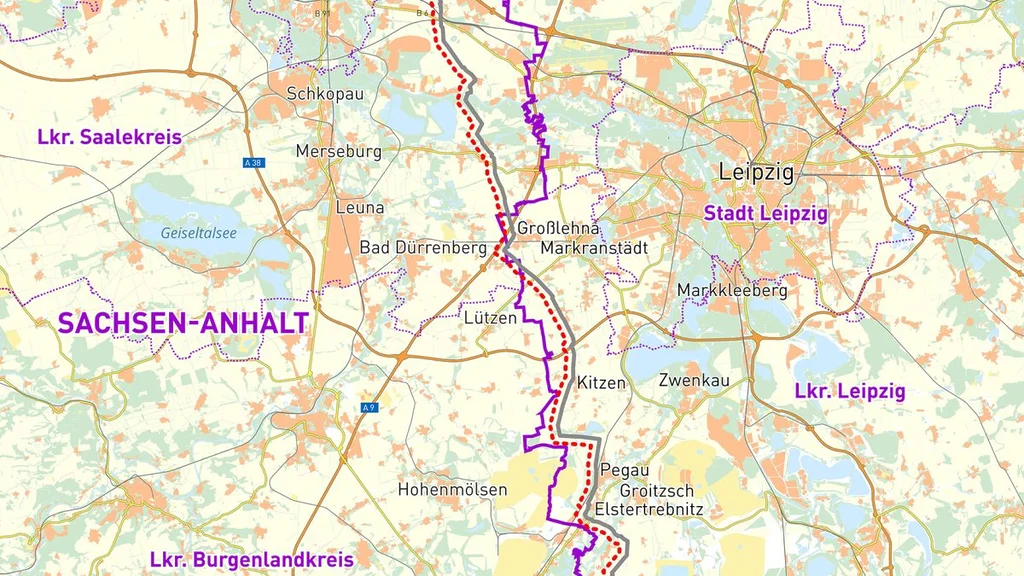
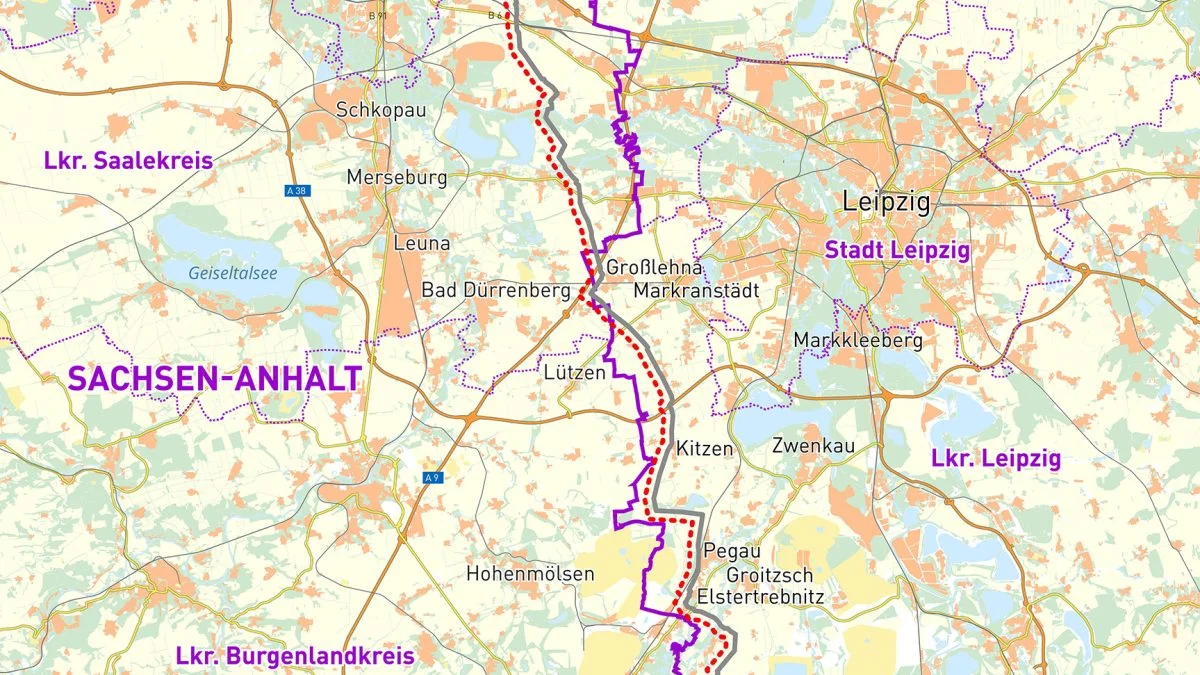
The geographical distribution also provides an early indication of where Germany’s hydrogen economy could develop. The future eastern cluster is expected to offer around 4.2 GW of entry capacity from 2030, while new demand and supply regions are emerging around Burghausen and Ingolstadt in Bavaria and the mosaHYc network.
Perhaps more important than the headline capacity figures is what the reservations represent. Companies are beginning to commit financially to future hydrogen transport capacity before the network is fully operational. That transition from forecasts and expressions of interest towards contractual reservations provides a more concrete market signal for investment in hydrogen production, infrastructure and industrial demand.
The network operators plan to update capacity, cluster and offer-zone developments quarterly.
Source: GASCADE / German hydrogen core network operators, Third Market Information Package, August 2026.
We use cookies on our website to give you the most relevant experience by remembering your preferences and repeat visits. By clicking “Accept”, you consent to the use of ALL the cookies.
This website uses cookies to improve your experience while you navigate through the website. Out of these, the cookies that are categorized as necessary are stored on your browser as they are essential for the working of basic functionalities of the website. We also use third-party cookies that help us analyze and understand how you use this website. These cookies will be stored in your browser only with your consent. You also have the option to opt-out of these cookies. But opting out of some of these cookies may affect your browsing experience.
Necessary cookies are absolutely essential for the website to function properly. This category only includes cookies that ensures basic functionalities and security features of the website. These cookies do not store any personal information.
Any cookies that may not be particularly necessary for the website to function and is used specifically to collect user personal data via analytics, ads, other embedded contents are termed as non-necessary cookies. It is mandatory to procure user consent prior to running these cookies on your website.