The hydrogen market is showing signs of moving beyond project announcements towards measurable commercial activity, with recent developments spanning transport, infrastructure, renewable hydrogen production and industrial demand.
In Germany, MAN Truck & Bus has begun real-world testing of three 42-tonne hydrogen fuel-cell trucks with LoadFox Transport Solutions. The vehicles are being operated across southern Germany as part of the Bayernflotte project, with an estimated range of 450–500 km using 36 kg of hydrogen. The trial will assess efficiency, reliability and commercial viability in everyday freight operations.
Infrastructure demand is also providing stronger indications of future hydrogen consumption. Germany’s planned national hydrogen transmission network has received capacity reservations equivalent to around 6 GW — approximately twice initial expectations. The reservations suggest that producers and industrial consumers are beginning to make concrete preparations for using dedicated hydrogen infrastructure.
Meanwhile, RWE has delivered the first renewable hydrogen from its GET H2 Nukleus project in Lingen to Evonik’s chemical park in Marl through a 120 km pipeline. The project is expected to commission 200 MW of electrolysis capacity by the end of 2026, rising to 300 MW in 2027.
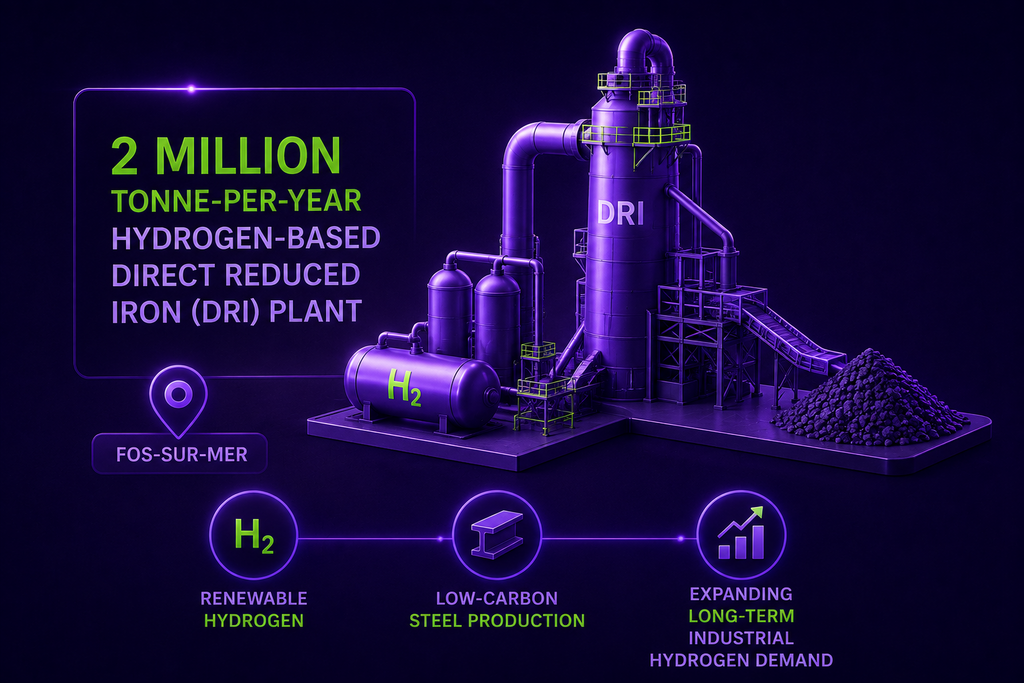
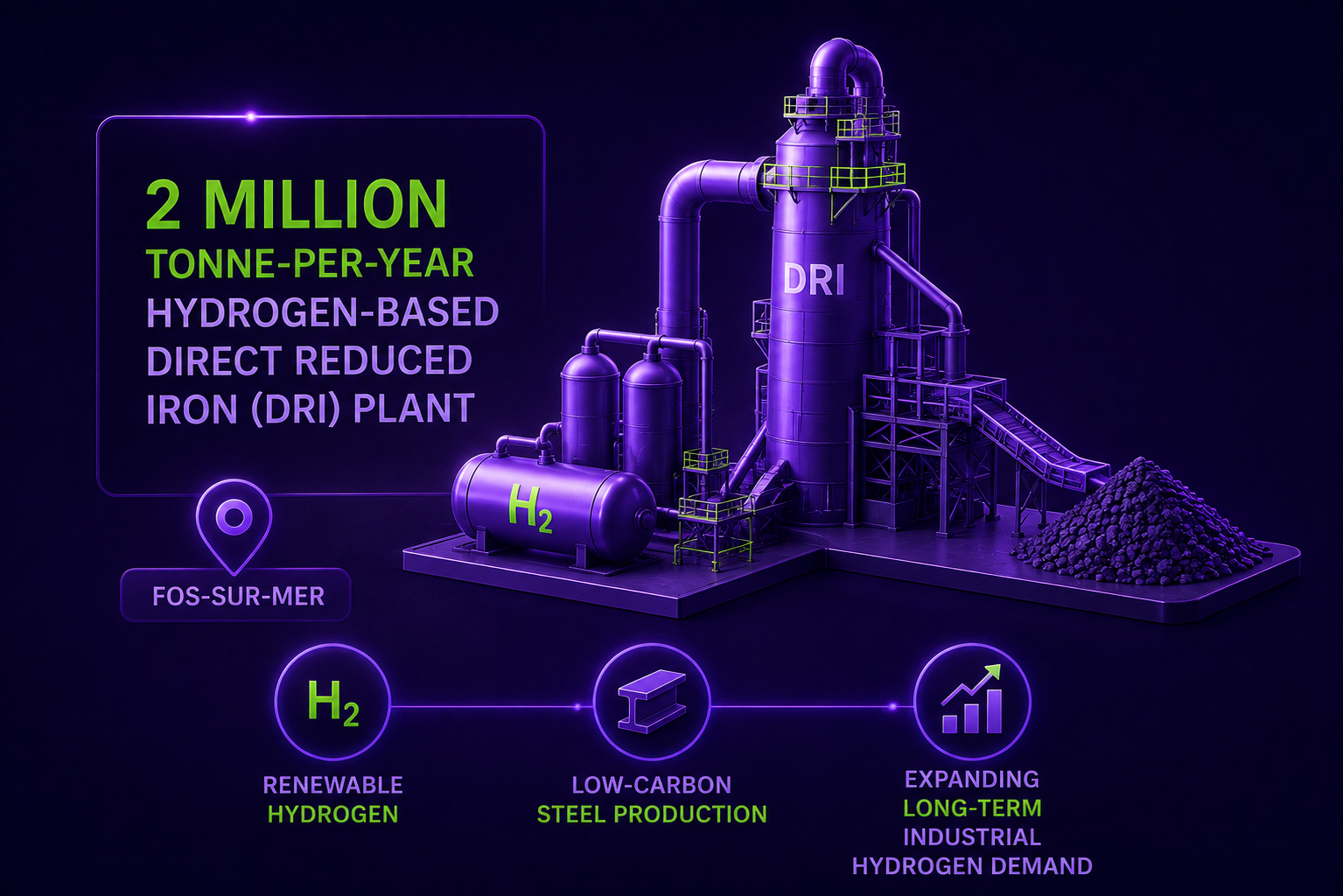
Industrial demand is developing alongside production. French developer GravitHy has selected Danieli to supply a two-million-tonne-per-year hydrogen-based direct reduced iron plant at Fos-sur-Mer, reinforcing steelmaking’s potential as a major source of long-term hydrogen demand.
Beyond Europe, Morocco has reaffirmed green hydrogen as a national strategic priority. Seven major projects are planned with approximately 20 GW of renewable generation and 10 GW of electrolysis capacity, targeting hydrogen derivatives including green ammonia, synthetic fuels and green steel feedstocks.
Together, the developments point to a hydrogen market increasingly shaped by actual infrastructure commitments, industrial consumption and operational supply rather than planned capacity alone.
Source: HydrogenCalc