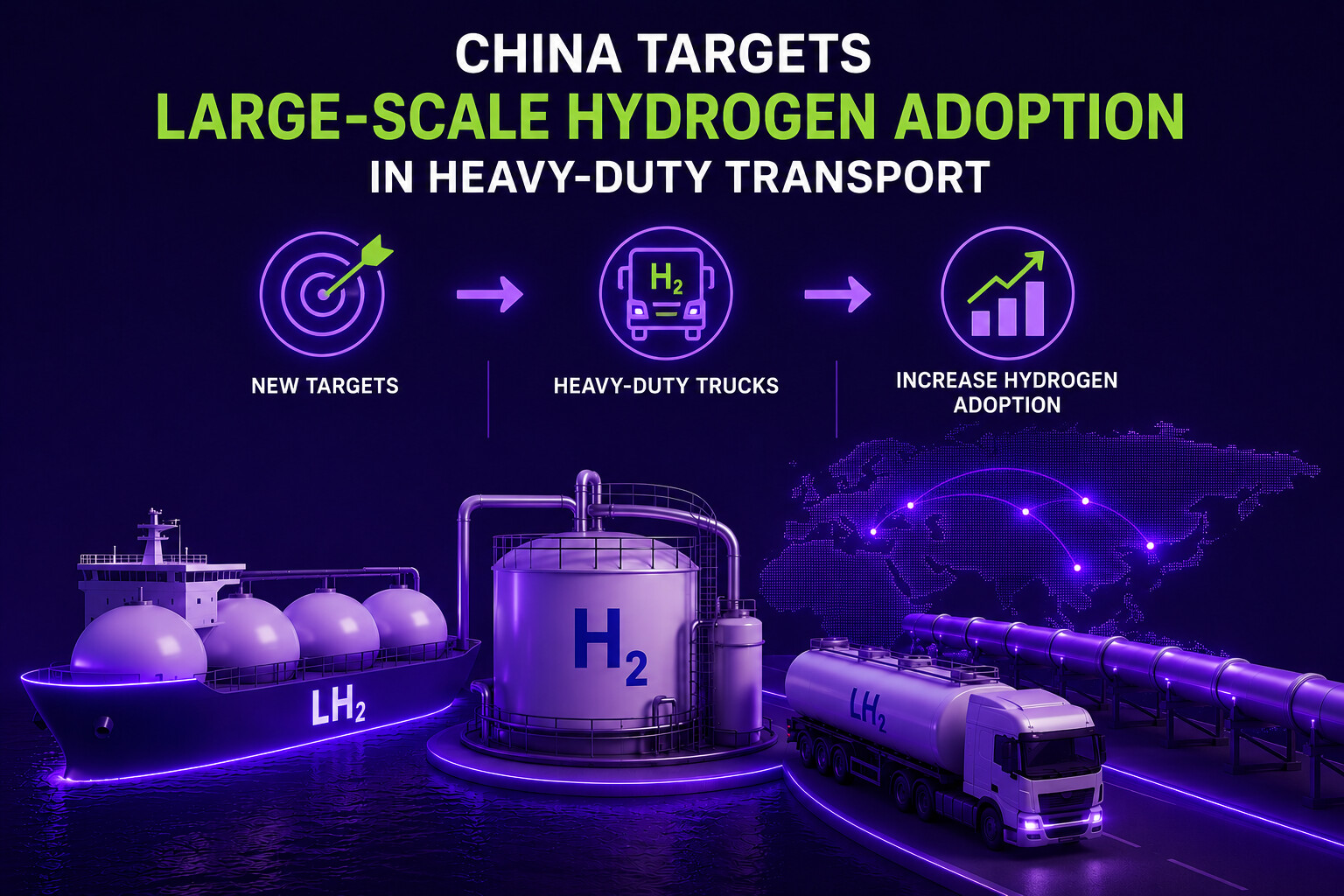

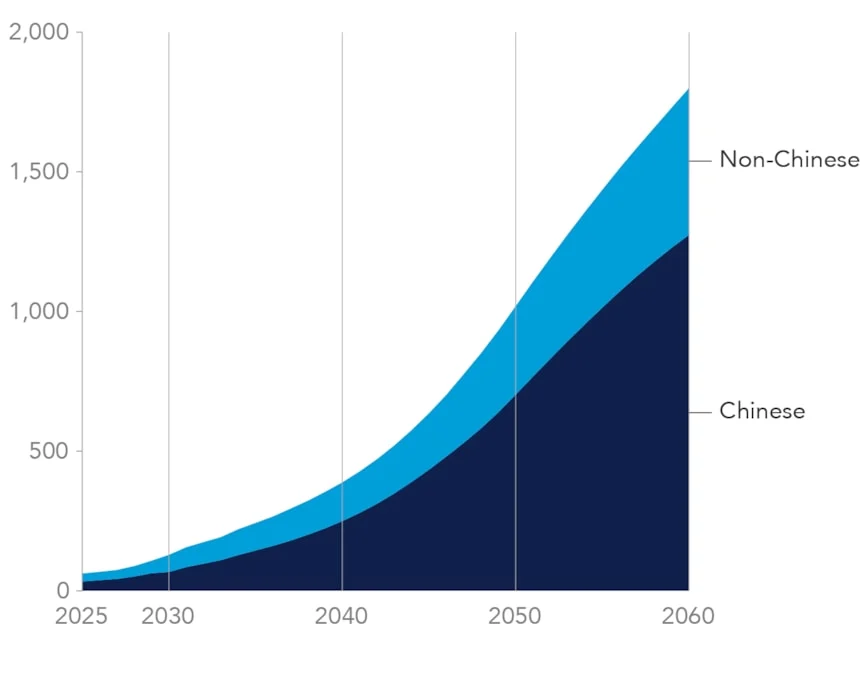
China hydrogen development is accelerating despite global uncertainty surrounding clean hydrogen projects, with the country expected to account for around 35% of global hydrogen production and demand growth by 2060.
According to DNV, China’s long-term strategy is being driven less by export ambitions than by industrial decarbonization, energy security and the rapid expansion of domestic manufacturing capabilities.
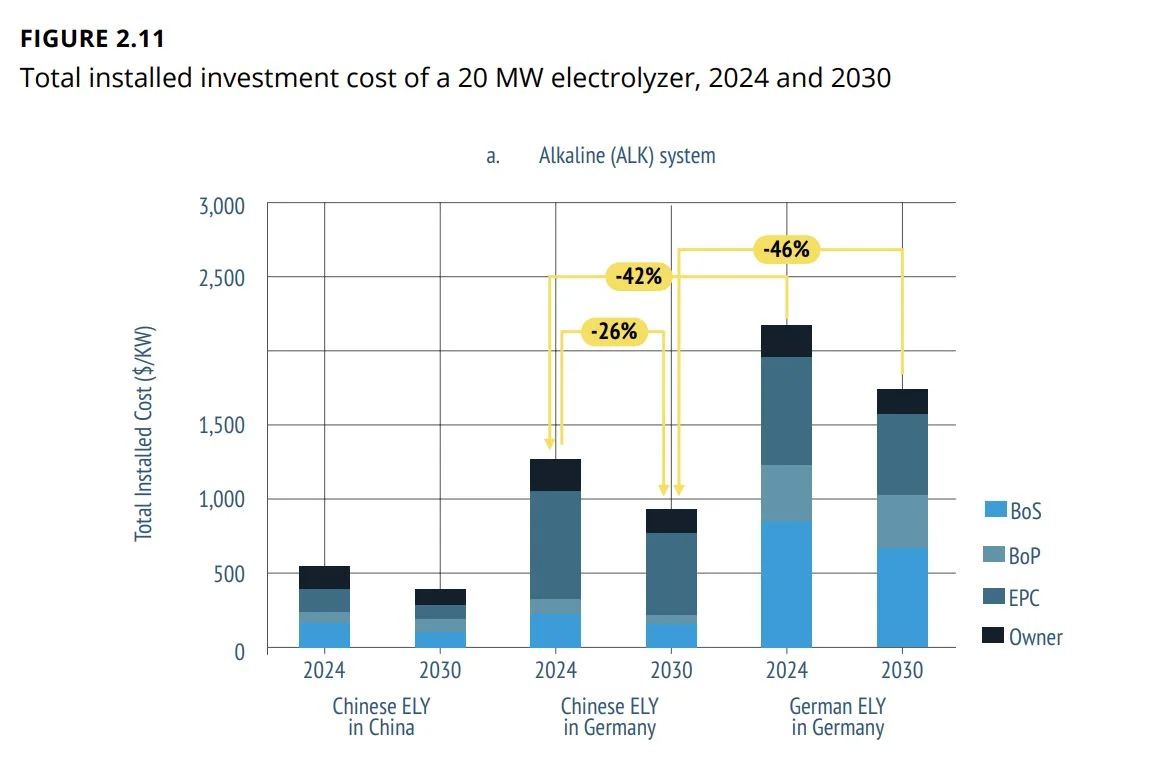
A key advantage lies in China’s ability to deploy renewable hydrogen at scale. The country already represents around 60% of global electrolyser deployment and investment decisions, supported by integrated supply chains, sustained technology investment and access to low-cost capital.
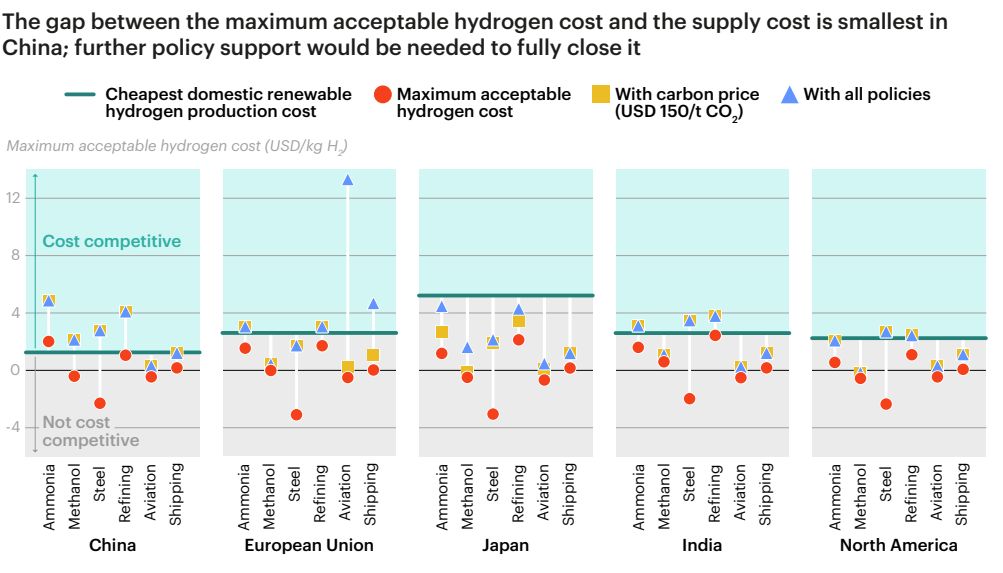
As projects expand from tens to hundreds of megawatts, production costs continue to fall, giving Chinese developers a significant competitive advantage over many international markets.
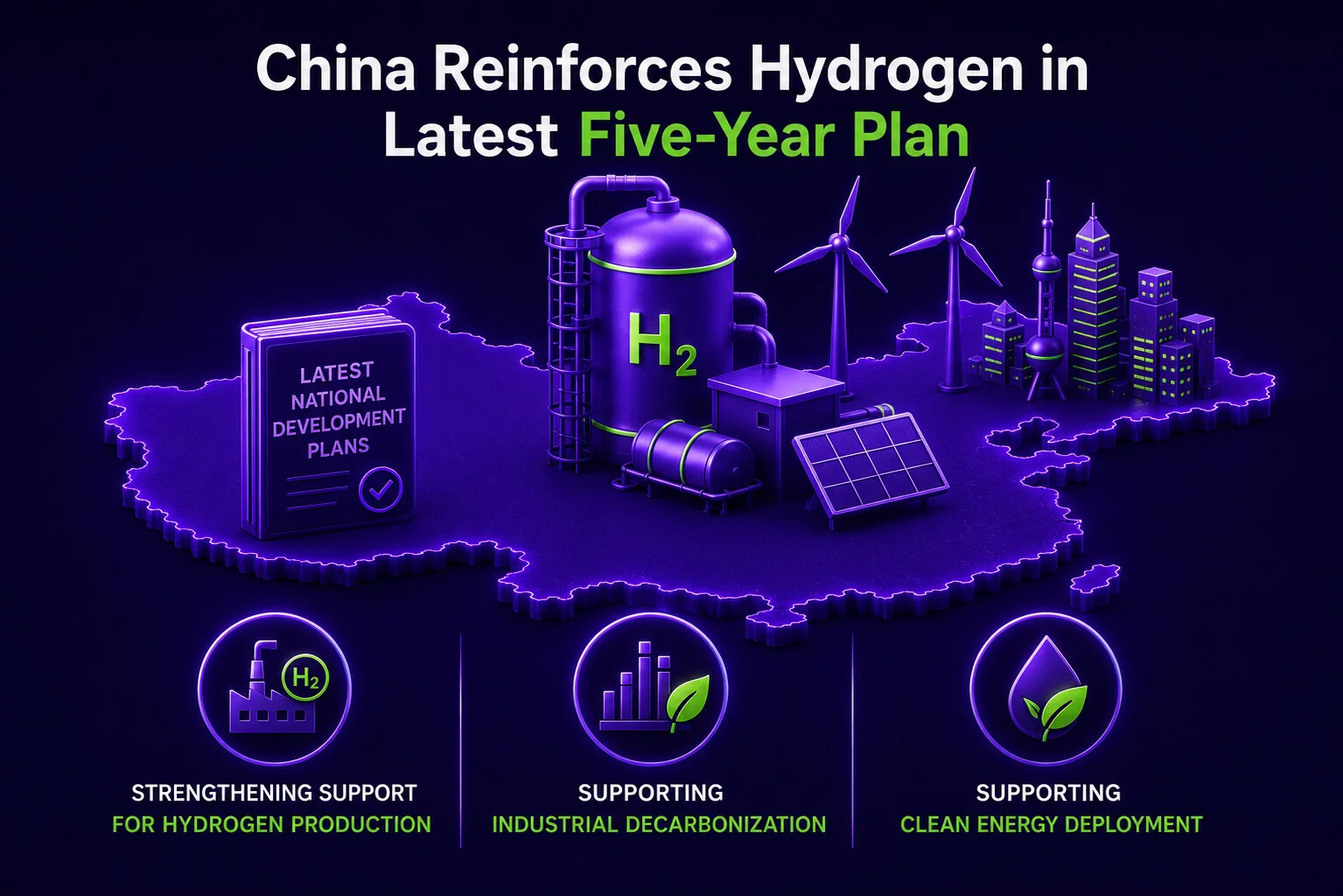
Policy is also playing a central role in shaping the sector. DNV highlights that hydrogen will feature prominently in China’s 15th Five-Year Plan (2026-2030), with measures designed to strengthen industrial decarbonization, improve energy security and reinforce technology leadership.
Rather than relying primarily on subsidies, the country’s policy framework is increasingly focused on creating commercially viable markets through infrastructure development, renewable energy integration and demand stimulation across key industrial sectors.
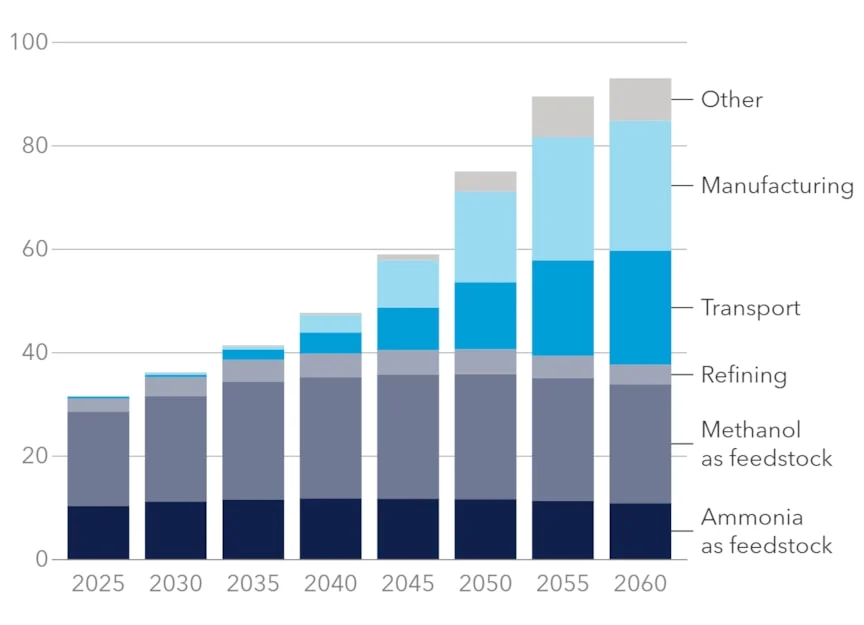
Industrial demand remains at the heart of the China hydrogen strategy. Renewable hydrogen is increasingly being introduced into refineries, while ammonia, methanol, steel production and heavy transport are expected to become major growth markets. The emphasis is on integrating hydrogen into existing industrial value chains where demand already exists and where supporting infrastructure can be expanded efficiently.
Although Chinese manufacturers are expected to strengthen their global position in electrolysers and related equipment, exports remain a secondary priority in the near term. Instead, the focus is on building a resilient domestic hydrogen economy capable of reducing dependence on imported fossil fuels while improving grid flexibility and supporting renewable power integration.
DNV concludes that China’s combination of industrial scale, manufacturing capability and long-term policy support is creating one of the world’s most significant hydrogen markets. As the sector continues to mature, developments in China are likely to influence global technology costs, supply chains and investment decisions for many years to come.
Source: DNV – China’s hydrogen play: scale today, energy security tomorrow by Thomas Koller (2026).