The global hydrogen market is expanding in terms of policy support and project pipelines, but real deployment remains limited. The latest Cedigaz assessment highlights a persistent gap between ambition and market reality, with low demand and weak project economics slowing the scale-up of low-emission hydrogen.
Key highlights
- ~95 Mt global hydrogen demand, but low-emission hydrogen accounts for only ~1%
- <1 Mt low-emission hydrogen demand in 2025, confirming the market remains at an early stage
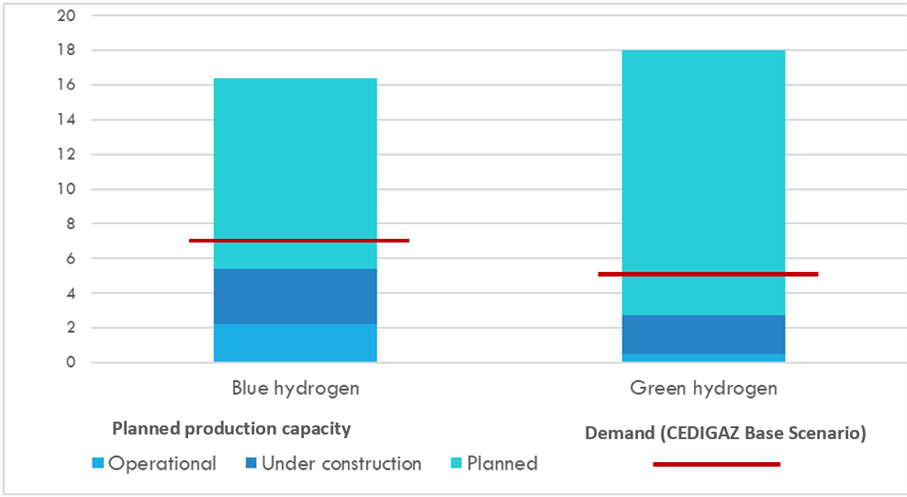
- Around 8 Mt of production capacity is operational or under construction globally
- Demand is expected to reach 9–18 Mt by 2030, still far below net-zero requirements
Global hydrogen market still in early stage
Despite increasing policy momentum and investment announcements, the global hydrogen market remains in its infancy. Growth in low-emission hydrogen has been slower than expected, with project delays and cancellations continuing to dominate developments in 2025.
While governments and companies continue to position hydrogen as a key pillar of decarbonisation, particularly in hard-to-abate sectors such as industry, transport and power, real deployment remains limited. Most operational and under-construction capacity is concentrated in existing industrial hubs rather than new end-use applications.
Lack of demand remains the key constraint
The main barrier to scaling hydrogen is not supply, but demand. Investment decisions are increasingly focused on projects with secured offtake or strong government backing, while projects without clear demand signals struggle to progress.
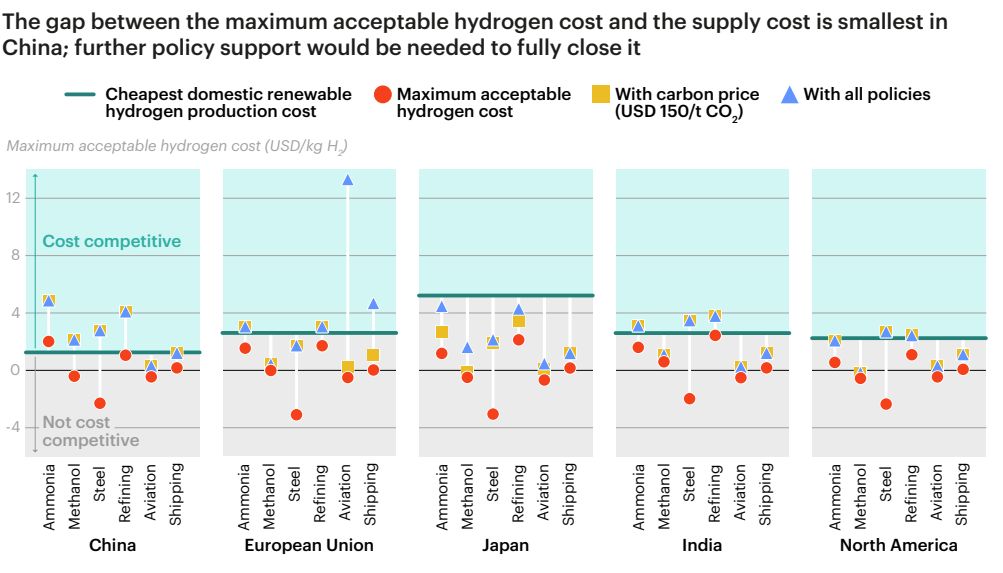
High production costs and policy uncertainty continue to weigh on investor confidence, but the absence of sufficient demand-side incentives remains the critical issue.
Without long-term offtake agreements, many projects fail to reach final investment decision, reinforcing the gap between announced capacity and real deployment.
Infrastructure constraints also remain a limiting factor, with hydrogen transport and storage networks still at an early stage of development.
Outlook improves but remains insufficient
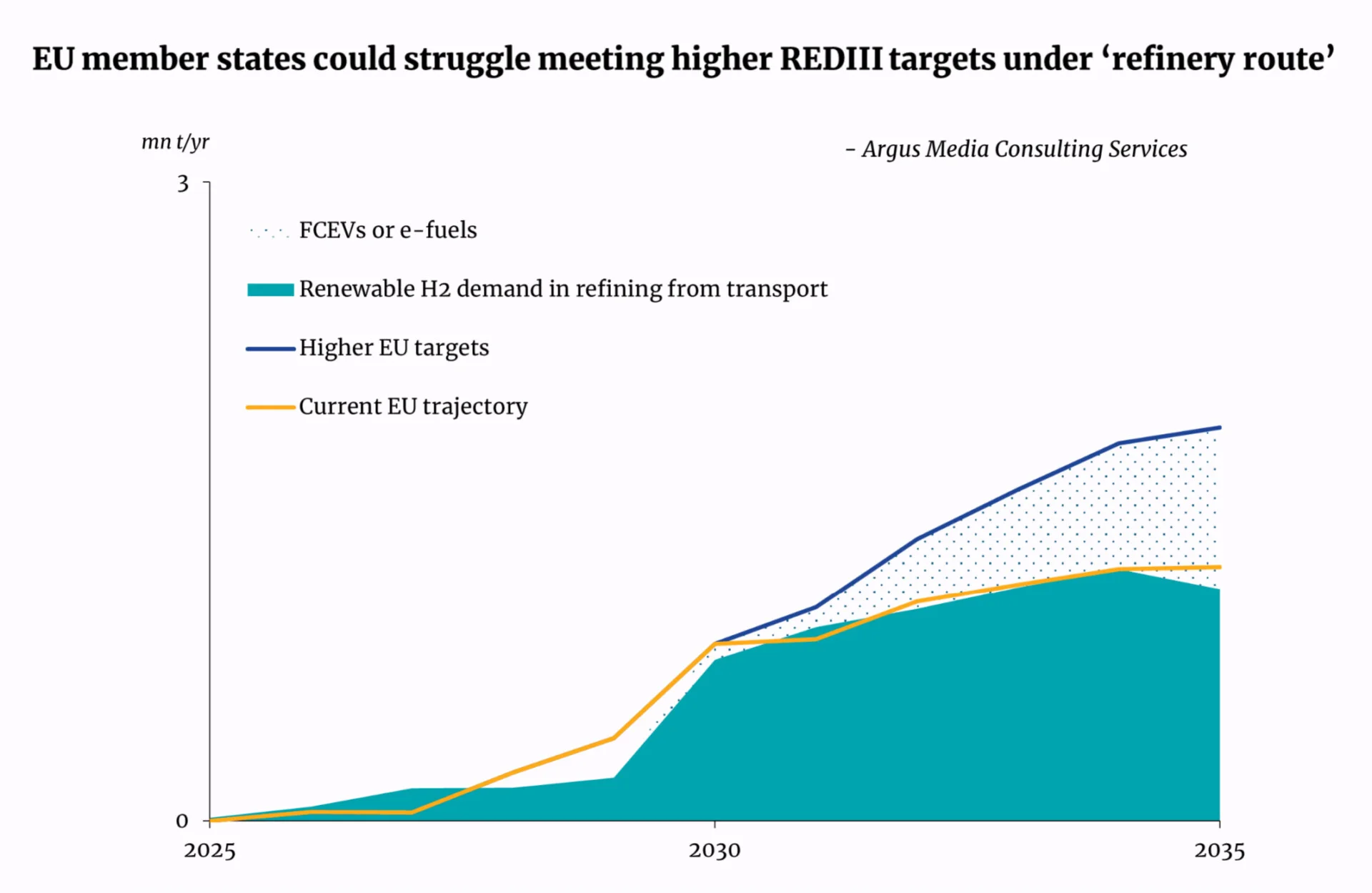
Looking ahead, low-emission hydrogen demand is expected to accelerate towards the end of the decade, supported by policy measures such as subsidies, mandates, and carbon pricing mechanisms. However, even under optimistic scenarios, projected demand remains well below the levels required to meet net-zero targets.
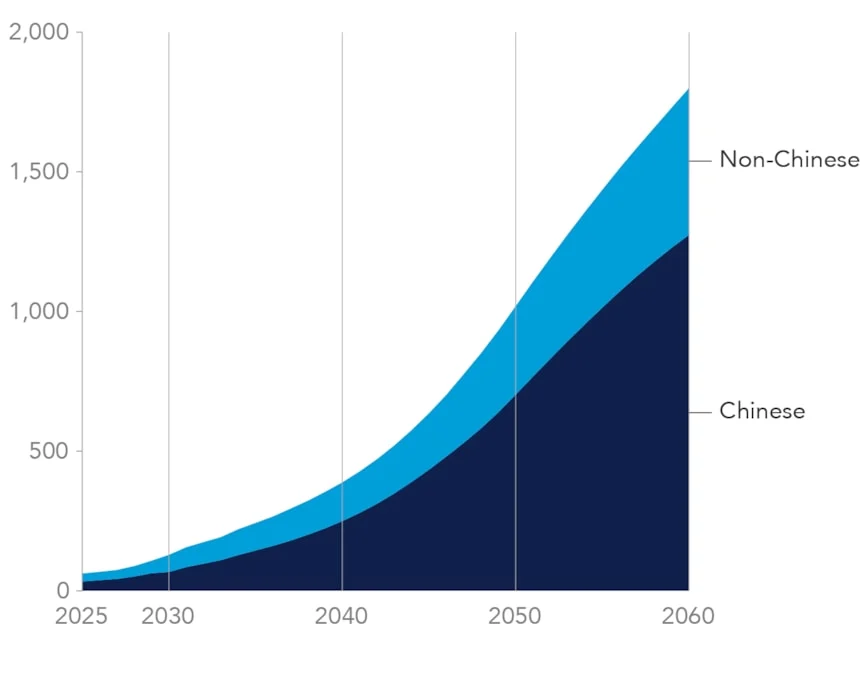
The report also highlights the growing role of emerging economies, particularly China, which is leading in project development and capacity build-out. This contrasts with slower progress in other regions, where regulatory complexity and cost challenges continue to delay deployment.
Conclusion
While the global hydrogen market continues to grow in ambition, scaling will depend on stronger demand-side policies, improved project economics, and the development of supporting infrastructure. Until these conditions are met, hydrogen is likely to remain a promising but still emerging component of the energy transition.
Source: Cedigaz