Germany’s hydrogen network is seeing stronger-than-expected early demand, with companies across the hydrogen value chain already submitting concrete transport capacity requests shortly after the launch of the country’s joint reservation phase.
Germany’s planned hydrogen core network has recorded stronger-than-expected early market interest, signalling growing industrial confidence in the development of a national hydrogen economy.
According to network operators involved in the project, 32 concrete reservation requests have already been submitted shortly after the launch of the joint reservation phase in March 2026. Requested entry and exit capacities have reportedly reached around 2.9 GW, alongside approximately 0.6 GW of cross-cluster transport demand.
The operators said many requests have already received positive assessments, including cases where demand exceeded initially published capacity levels.
The process is viewed as an early indication that industrial players are beginning to make long-term hydrogen infrastructure decisions with greater confidence.
Supporters of the project argue the level of demand demonstrates that Germany’s hydrogen market is moving beyond policy ambition towards more concrete commercial planning.
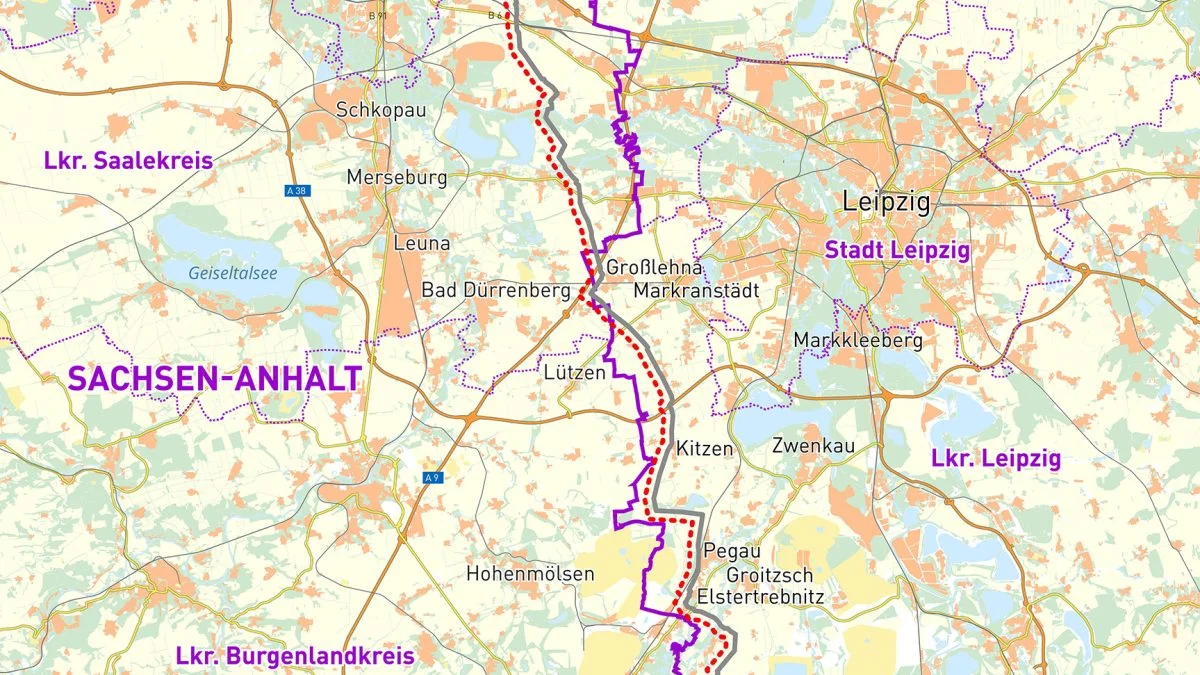
The hydrogen core network is intended to become the backbone of Germany’s future hydrogen transport system, linking industrial demand centres, import corridors and production hubs through a large-scale pipeline network.
The earliest planned start of use for parts of the network is currently targeted for 2027. Industry participants say the strong initial response suggests the market is willing to commit earlier than many had expected, particularly as companies seek long-term visibility on future hydrogen supply chains and transport infrastructure.
We use cookies on our website to give you the most relevant experience by remembering your preferences and repeat visits. By clicking “Accept”, you consent to the use of ALL the cookies.
This website uses cookies to improve your experience while you navigate through the website. Out of these, the cookies that are categorized as necessary are stored on your browser as they are essential for the working of basic functionalities of the website. We also use third-party cookies that help us analyze and understand how you use this website. These cookies will be stored in your browser only with your consent. You also have the option to opt-out of these cookies. But opting out of some of these cookies may affect your browsing experience.
Necessary cookies are absolutely essential for the website to function properly. This category only includes cookies that ensures basic functionalities and security features of the website. These cookies do not store any personal information.
Any cookies that may not be particularly necessary for the website to function and is used specifically to collect user personal data via analytics, ads, other embedded contents are termed as non-necessary cookies. It is mandatory to procure user consent prior to running these cookies on your website.