In an analysis of the EU and UK market, Arup’s Brigitte Danks and James Dawkins highlight how the hydrogen sector is entering a more disciplined phase, with many hydrogen project developments delayed or cancelled as costs, infrastructure constraints and regulatory requirements weigh on delivery.
While hydrogen remains essential for decarbonising hard-to-abate sectors and supporting energy system integration, the focus is shifting towards identifying what defines a viable hydrogen project.
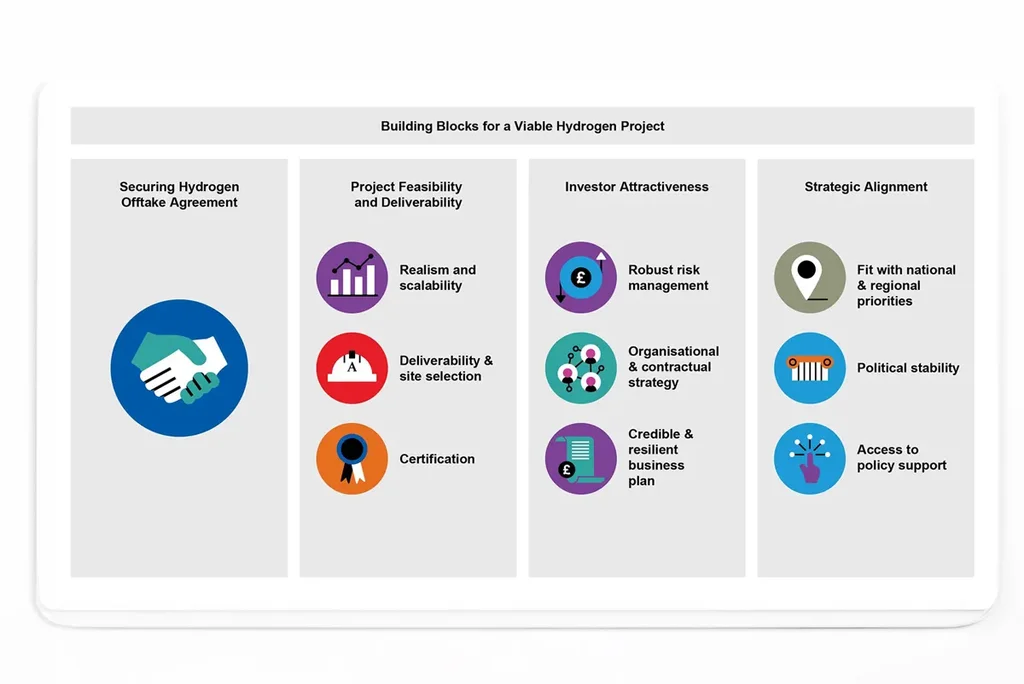
Their analysis points to four core pillars:
Demand first: Secure offtake agreements are critical, providing the revenue certainty required to underpin investment decisions.
Feasibility and deliverability: Projects must be realistically scoped, with strong site selection and reliable access to renewable power and water.
Investor confidence: Robust risk management, credible delivery strategies and experienced project teams are essential to attract capital.
Policy and certification alignment: Compliance with evolving EU and UK regulatory frameworks is key to ensuring long-term viability.
As the market matures, only hydrogen project developments with strong fundamentals and clear commercial pathways are expected to progress.
Source and full article: Brigitte Danks and James Dawkins, ARUP