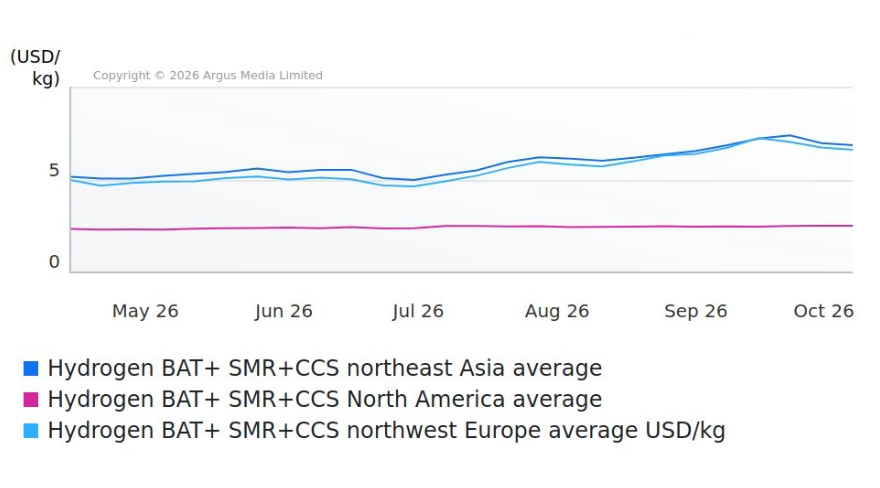
Higher natural gas prices are reshaping hydrogen production costs across Europe. With gas futures approaching €80/MWh, the production cost of conventional grey hydrogen is moving towards €6/kg H₂. At these levels, renewable hydrogen looks increasingly competitive with the conventional alternative.
The question should no longer be whether green hydrogen can compete with the €1–2/kg grey hydrogen of the past. The question is:
What do we need to do to make €6/kg renewable H₂ available at scale today and move towards €4/kg in the coming years?
There are several angles we can act on:
1. Increase electrolyser capacity factors
An electrolyser operating 6,000 hours/year has a fundamentally different capital contribution to LCOH than one operating only 2,000–3,000 hours. This does not mean running irrespective of electricity prices: it means designing better combinations of renewables, grid access, PPAs, storage and flexible operation to maximise economically attractive operating hours.
2. Improve electrolyser efficiency
Electricity remains the largest component of renewable H₂ cost. Every reduction in specific consumption translates directly into lower LCOH. Moving, for example, from 55 to 50 kWh/kg saves €0.25/kg H₂ at €50/MWh electricity. This is why continued R&D support for electrolysers, stacks, electrodes, membranes, power electronics and balance of plant remains critical.
3. Minimise grid tariffs and electricity-related charges for FOAK projects
A €10/MWh additional charge means approximately €0.50/kg H₂ for an electrolyser consuming 50 kWh/kg. Appropriate tariff structures for early industrial hydrogen projects can therefore make a material difference without requiring technology subsidies forever.
4. Start where hydrogen has the highest value
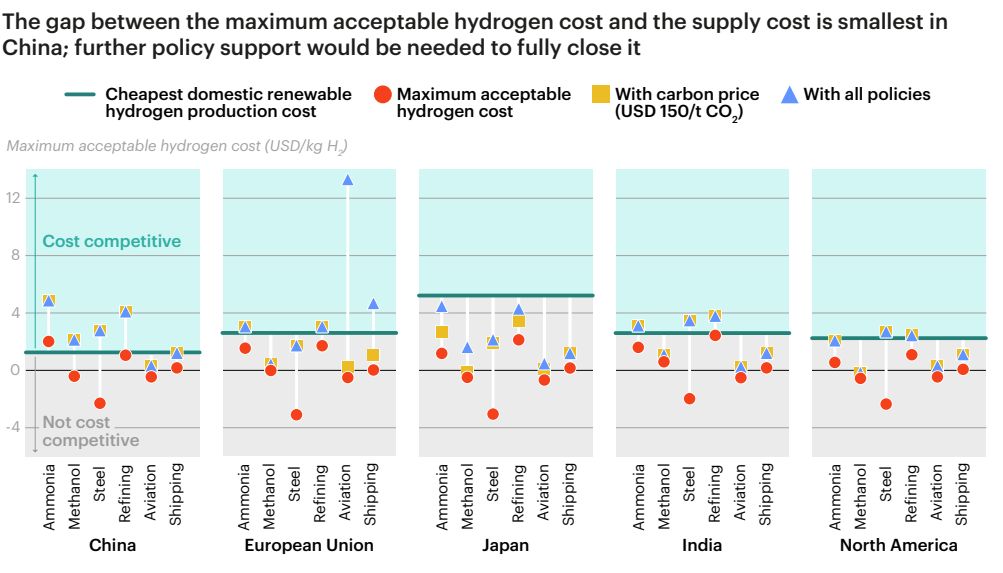
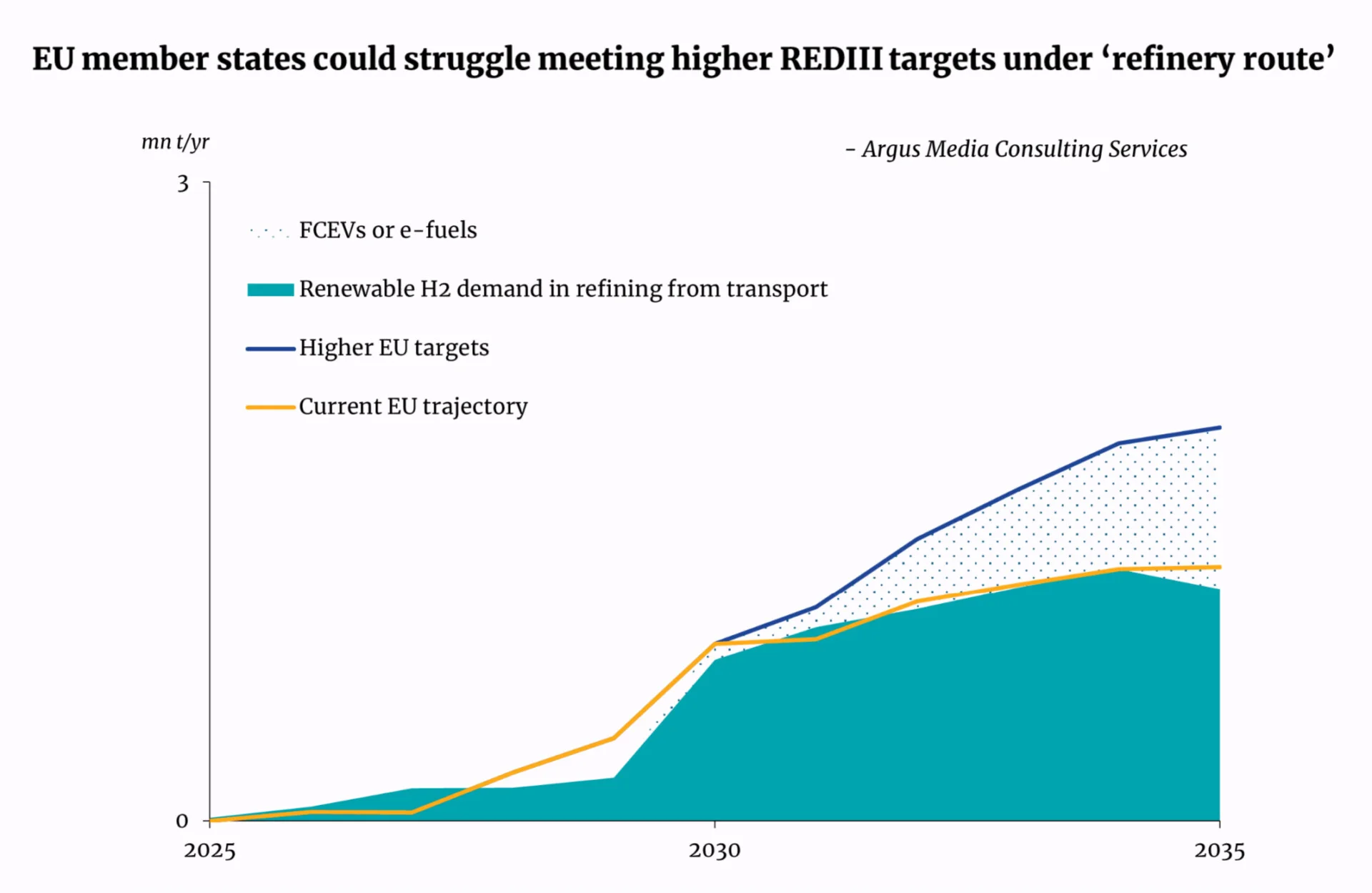
Steel, fertilisers, refineries, SAF/e-fuels and selected transport applications can support higher initial hydrogen prices. Strong long-term offtake improves project bankability, reduces revenue risk and can ultimately lower WACC. At the same time, Hydrogen Valleys and industrial clusters can aggregate demand, share infrastructure and enable larger projects with better utilisation and economies of scale.
And I would add one more angle: Industrialisation.
We need to move from individually engineered projects towards repeatable electrolyser platforms, standardised balance-of-plant solutions and scalable manufacturing. Lower CAPEX, longer stack lifetime and lower replacement costs are as important as efficiency improvements.
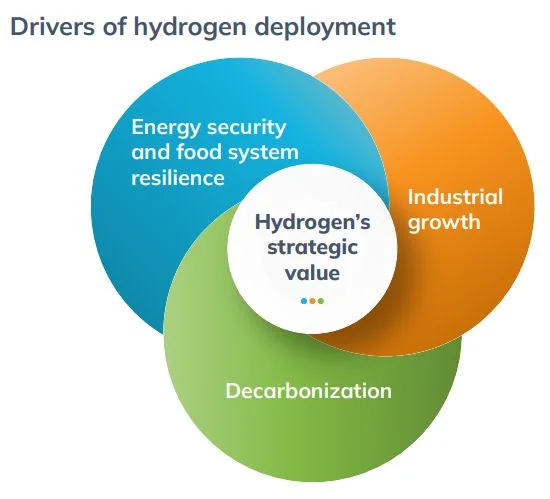
High natural gas prices are painful for European industry. But they also remind us why a diversified, increasingly renewable European hydrogen supply has strategic value.
€6/kg renewable hydrogen is not enough as an endpoint. But it may already be competitive with the alternative in the right European applications. The challenge now is to build the conditions that take us towards €4/kg by 2030 and eventually below it.
Source: Carlos Bernuy-Lopez, PhD (Linkedin)