Clean hydrogen can support decarbonisation, energy security and industrial growth. Beyond replacing fossil-based hydrogen, it can strengthen fertiliser supply chains, reduce dependence on imported fuels and create demand for technologies and skilled jobs across the value chain, writes Carlos Bernuy-Lopez.
For many years, I have been highlighting the importance of clean hydrogen in the fight against climate change.
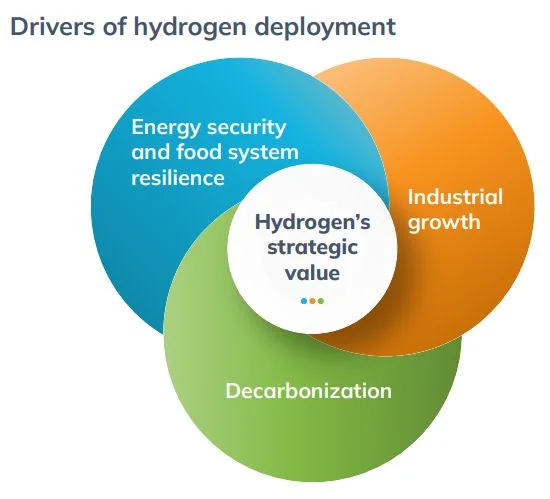
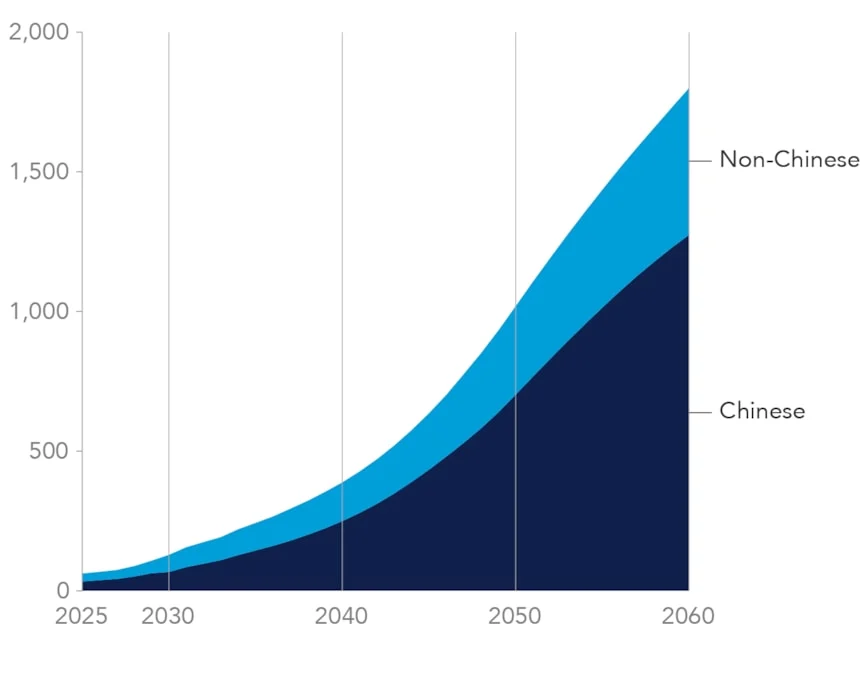
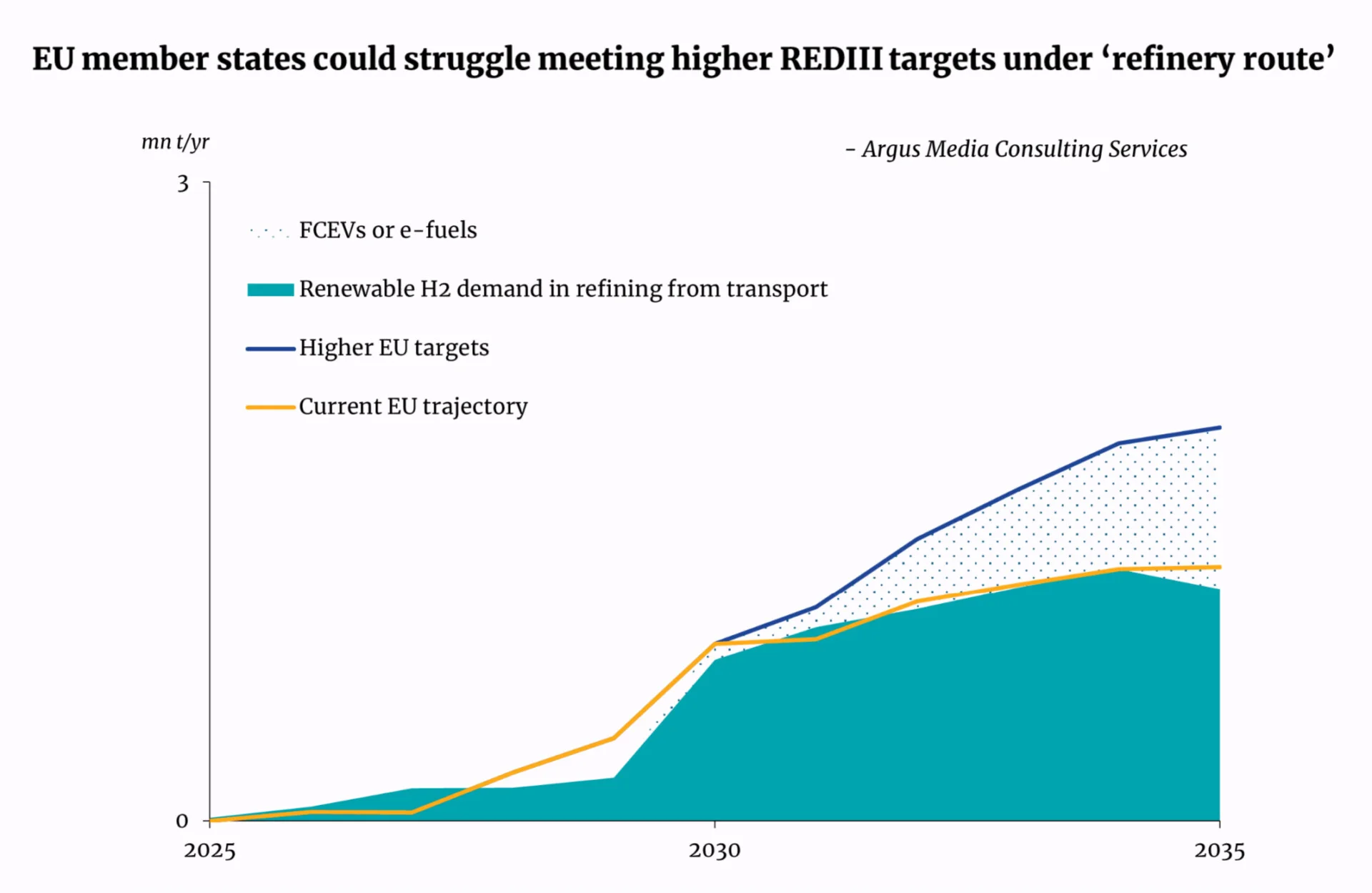
One figure in the latest Global Hydrogen Compass 2026, published by the Hydrogen Council, captures particularly well why hydrogen matters. It brings together three dimensions that, in my view, are essential to understanding the role clean hydrogen can play in the energy transition: decarbonization, energy security and food-system resilience, and industrial growth.
1. Decarbonization
This is probably the first argument we should put on the table when discussing clean hydrogen. Ultimately, the objective is to reduce greenhouse-gas emissions. Today, fossil-based hydrogen production itself represents a significant source of global emissions. Replacing it with clean hydrogen therefore offers a direct opportunity for decarbonization.
But the potential goes much further.
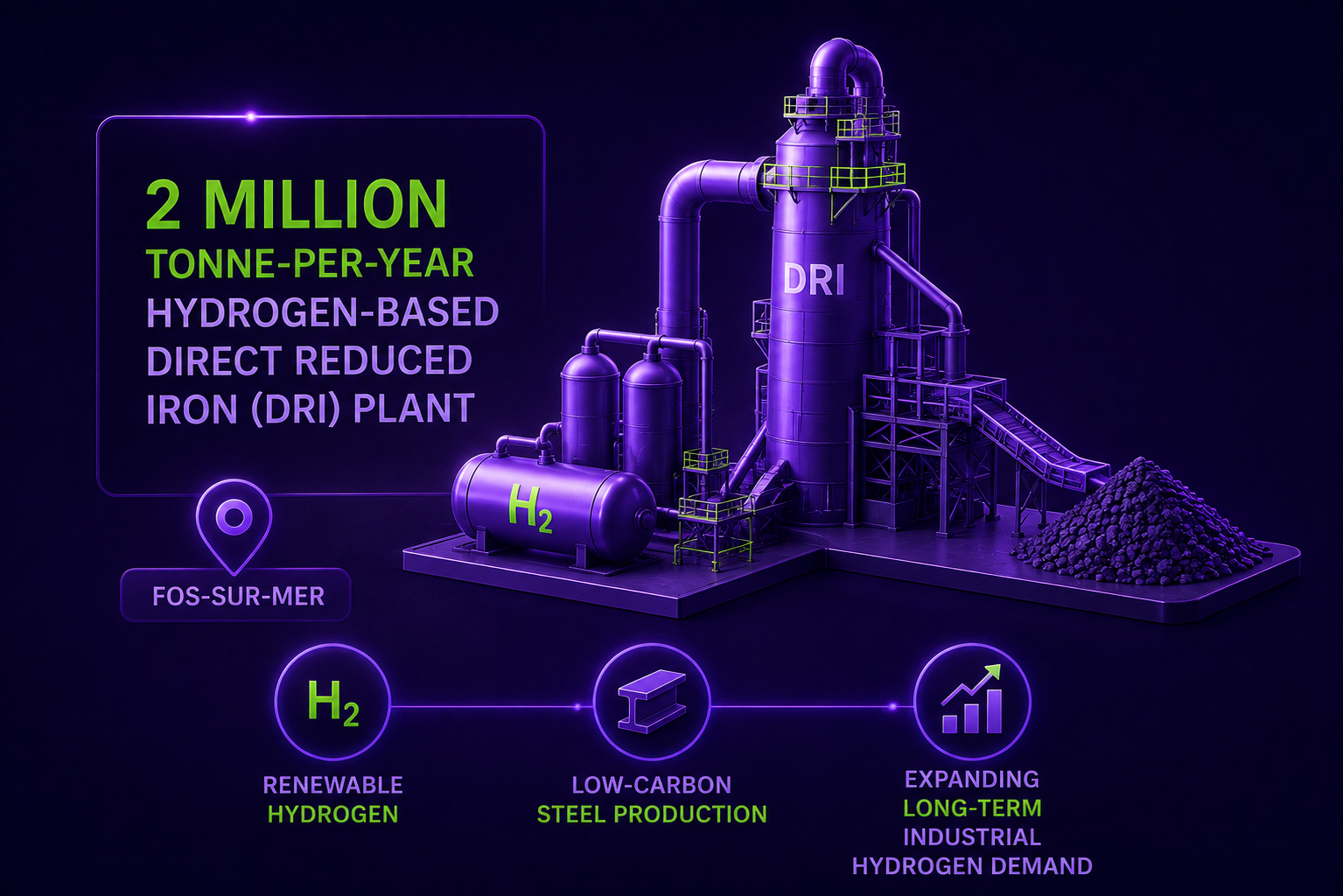
Hydrogen can also help decarbonize sectors where direct electrification is particularly challenging, including steelmaking, parts of heavy transport, chemicals, refining and the production of sustainable fuels.
2. Energy security and food-system resilience
Clean hydrogen is also an energy-security opportunity. By using increasingly abundant renewable electricity to produce hydrogen locally, countries and regions can reduce their dependence on imported fossil fuels and strengthen the resilience of strategically important value chains.
This matters for products that are fundamental to our economies and societies: fertilizers, chemicals, steel and sustainable fuels. The link with fertilizers is particularly important. A more resilient supply of low-carbon hydrogen can contribute to a more resilient fertilizer industry and, ultimately, to greater resilience of our food system.
3. Industrial growth
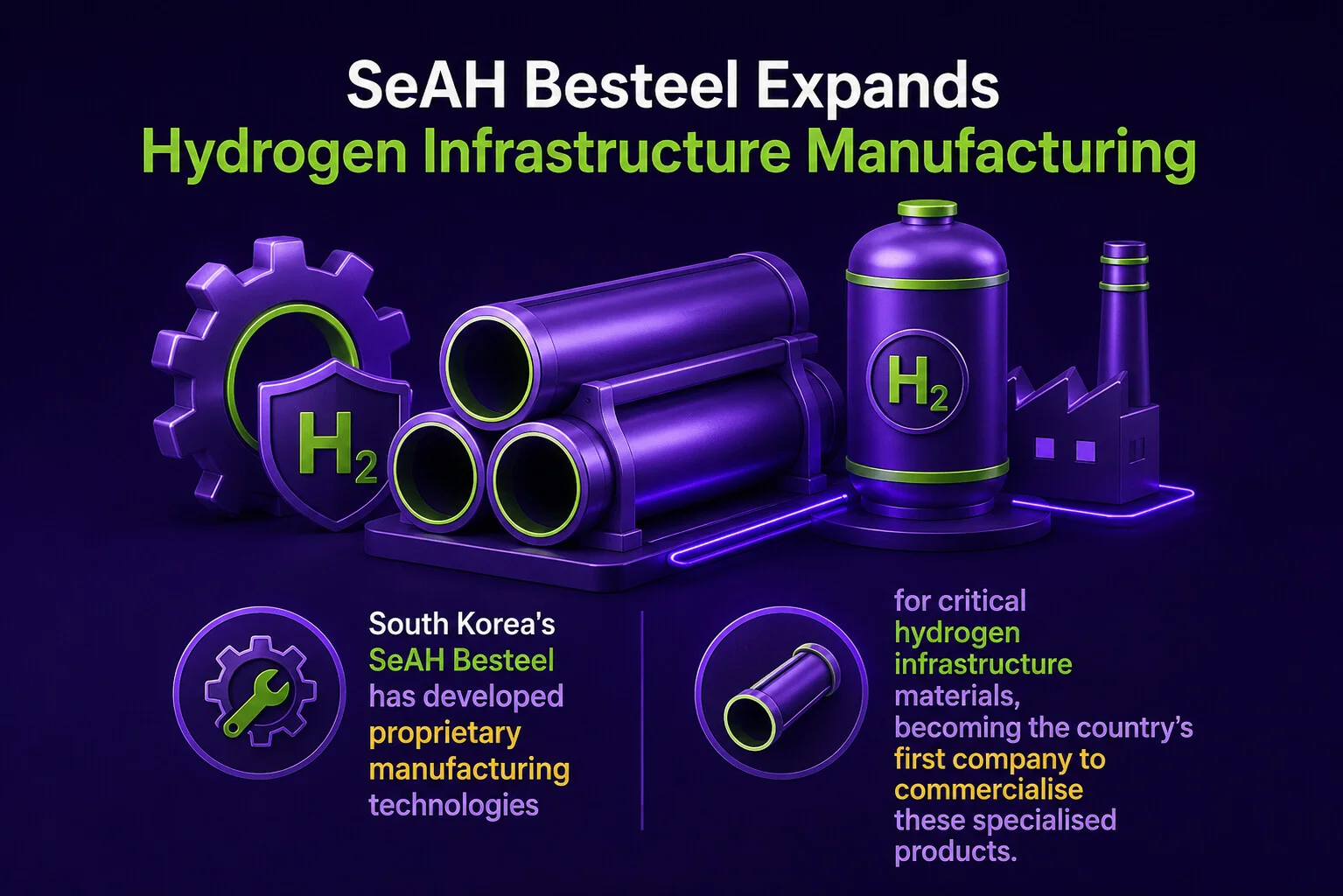
Last but certainly not least, clean hydrogen is also an industrial opportunity. Building a hydrogen economy requires much more than producing hydrogen itself. It requires an entire industrial ecosystem: electrolyser stacks, power electronics, transformers and rectifiers, water-treatment systems, compressors, storage equipment, Fischer–Tropsch reactors, DRI plants and many other technologies.
Developing, manufacturing, installing and operating this equipment creates an opportunity to build new industrial value chains, strengthen existing ones and generate skilled jobs across many regions of the world.
And this is perhaps the broader message I take from the figure: clean hydrogen should not be seen only as another energy carrier. Its strategic value lies at the intersection of climate, energy security and industrial policy. If we manage to scale it where it creates the most value, clean hydrogen can simultaneously reduce emissions, strengthen the resilience of our economies and support the development of a new generation of industries.
That is why getting clean hydrogen right matters well beyond the hydrogen sector itself.
Source: Carlos Bernuy-Lopez, PhD, (LinkedIn)