Hydrogen market signals are becoming more tangible as industrial offtake, targeted investment and project execution begin to define where commercially viable supply could emerge.
The global hydrogen market is moving beyond headline announcements toward a phase where buyers, pricing, investment and measurable project progress increasingly determine which developments have a credible route to market.
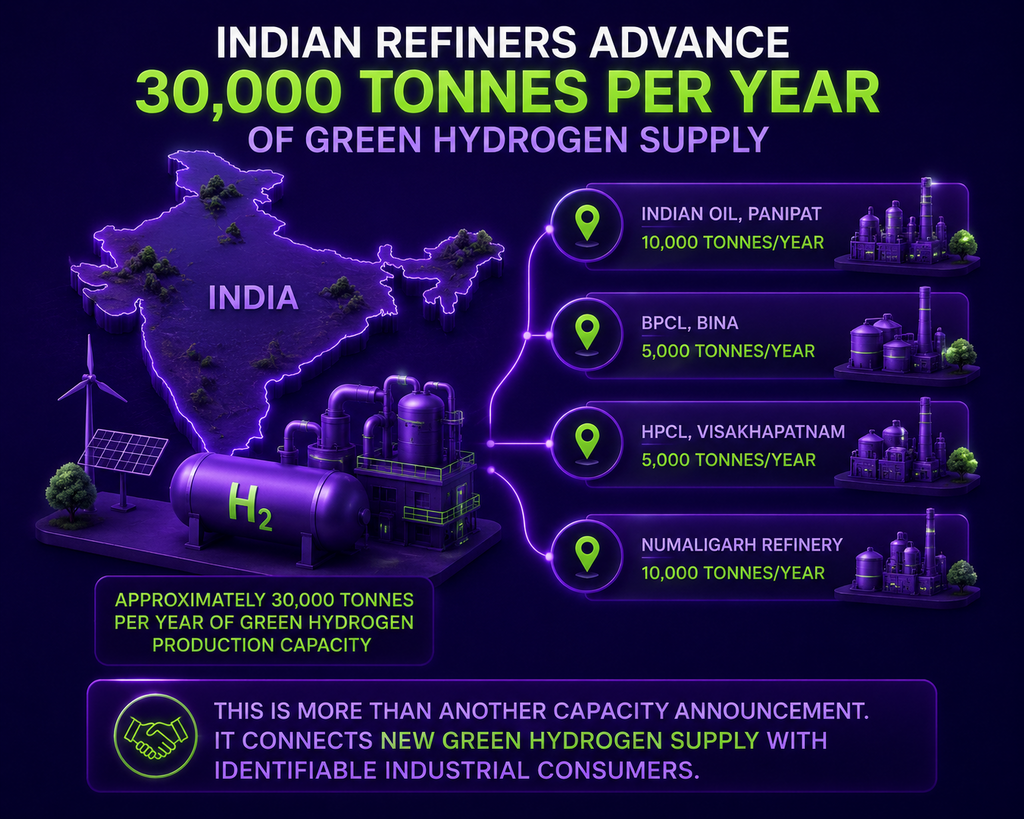
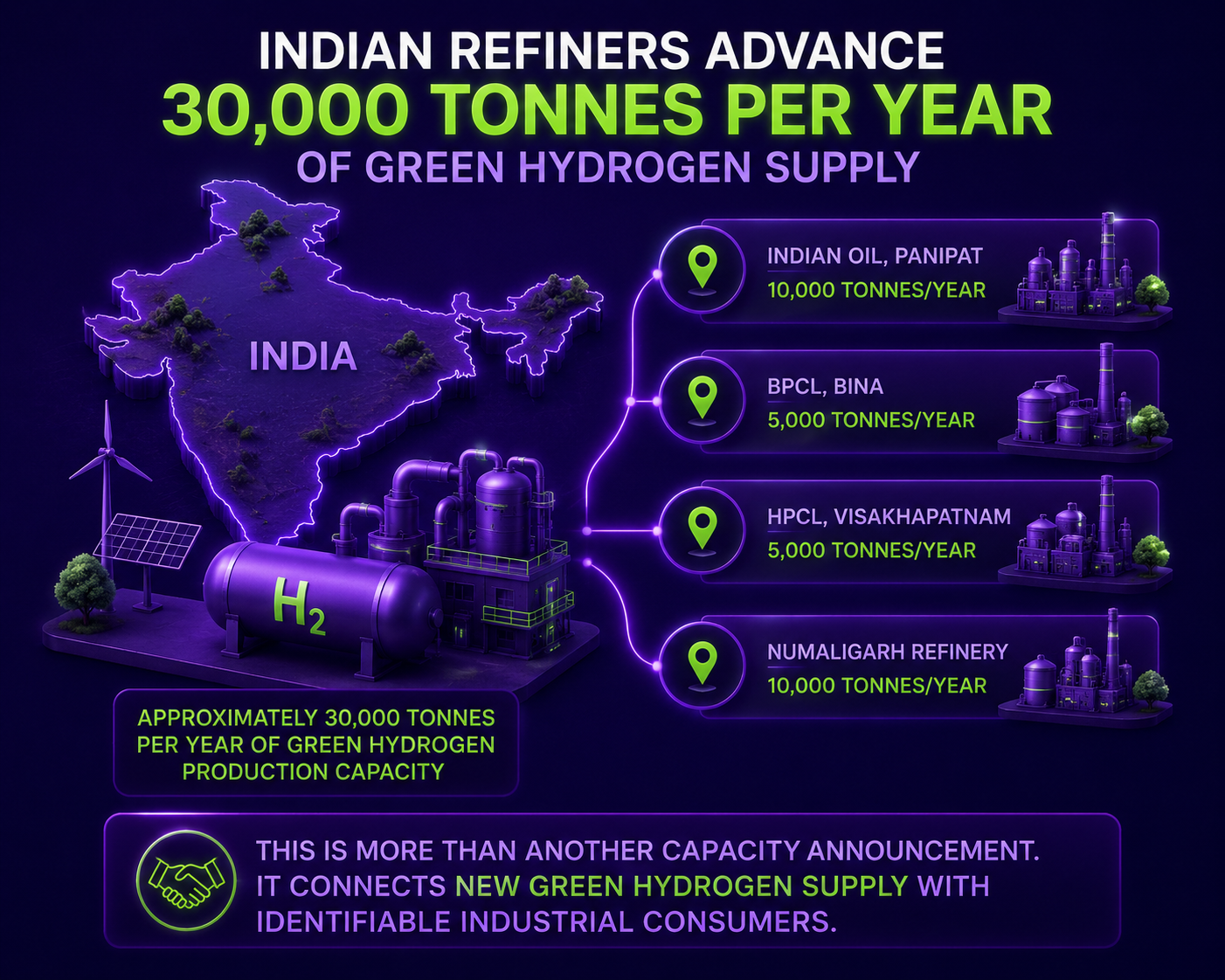
India offers one of the clearest examples. Approximately 30,000 tonnes per year of green hydrogen production capacity has been awarded across projects serving four major state refiners. The importance lies not simply in the volume, but in the connection between new supply and identifiable industrial consumers. Refineries provide existing hydrogen demand, giving producers a clearer pathway to offtake while helping establish signals around acceptable pricing and contract structures.
Investment is also becoming more selective. Low-emissions hydrogen investment could approach $10 billion in 2026, following almost $7 billion in 2025. However, increasing capital does not automatically translate into commercially viable projects. Production economics, infrastructure access, achievable pricing and credible future demand are becoming increasingly important when assessing investability.
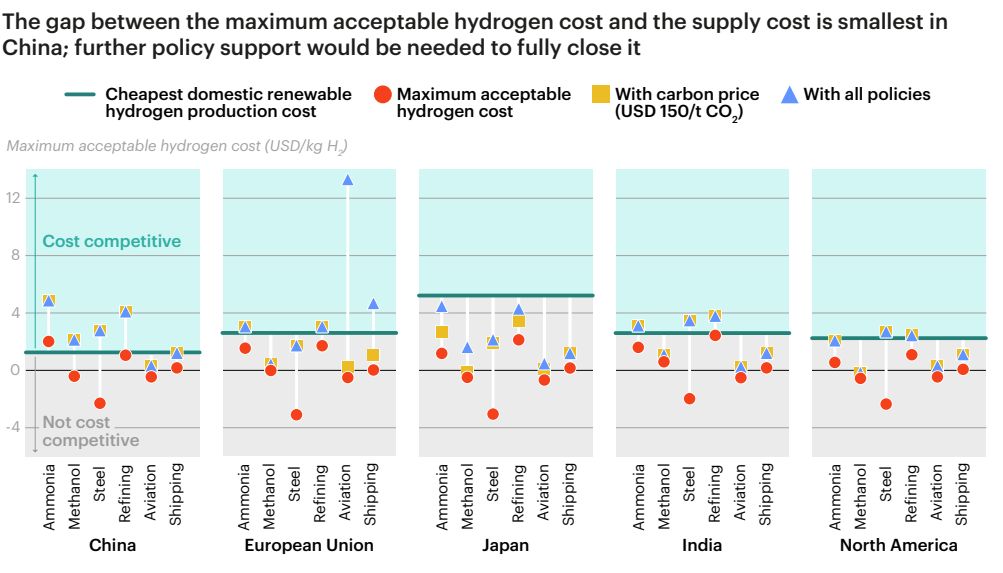
Policy support remains part of that equation. The European Commission-approved €780 million Dutch support scheme is expected to support around 400 MW of electrolysis capacity and incentivise up to 40,000 tonnes per year of renewable hydrogen production. Such measures can help narrow the gap between production costs and the prices industrial consumers can absorb.
International trade is creating another important market signal. In Morocco, the proposed ORNX low-carbon ammonia development is expected to incorporate approximately 900 MW of electrolyser capacity and target around 560,000 tonnes of annual ammonia production. Its export ambitions underline the growing importance of infrastructure, logistics and long-term international buyers.
Meanwhile, projects across Southern Europe are continuing to move through development milestones. Increasingly, progress through feasibility, permitting, FEED, final investment decision, construction and commissioning provides a more meaningful measure of future supply than announced capacity alone.
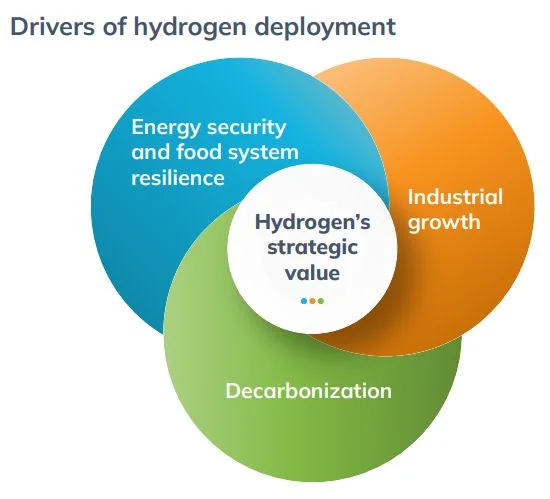
Together, these developments suggest a hydrogen market becoming more commercially disciplined. The strongest opportunities are increasingly likely to be those where credible demand, competitive economics, investment and executable project timelines converge.
Source: HydrogenCalc, August 14, 2026.